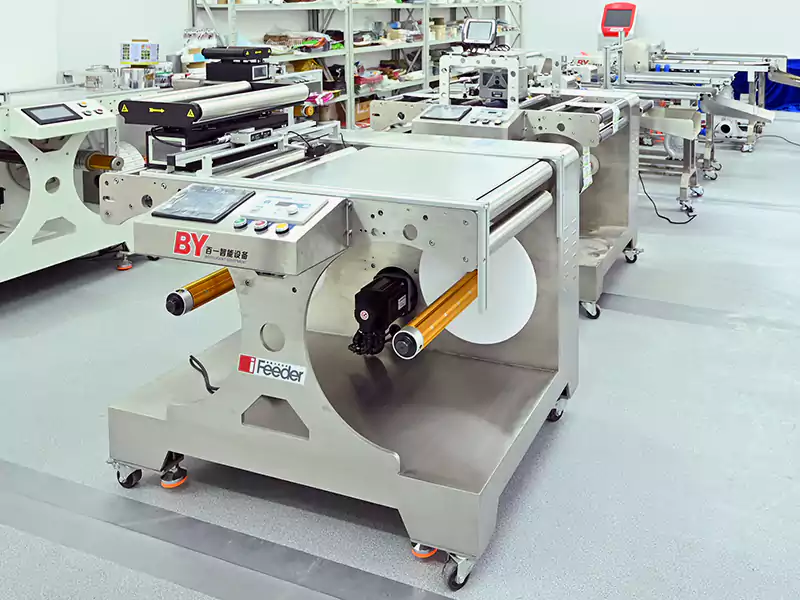
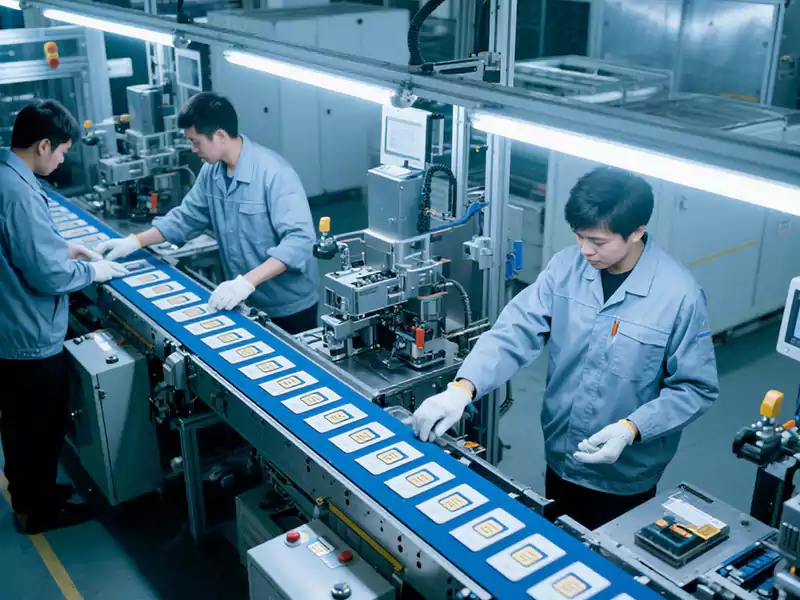
In the modern food and beverage manufacturing industry, food packaging coding is far more than a strict regulatory compliance requirement; it is a critical component for consumer safety, inventory management, and product traceability. Whether you are a food producer or a packaging line engineer, understanding these codes and applying them efficiently is essential to a smooth production flow.
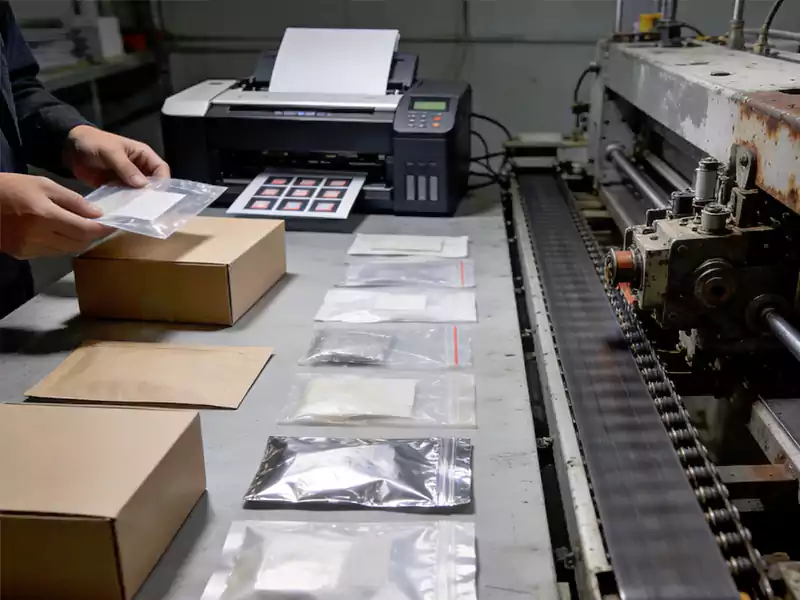
This resource will decipher the range of codes present on food packaging and discuss how implementing automated feeding technologies, including friction and vacuum-based systems, can streamline production and optimize coding productivity.
1. Decoding the “Secret Language” of Food Packaging
Every day, consumers, retailers, and logistics teams rely on the various codes on food packaging to make informed decisions. While they may look like random strings of letters and numbers, they fall into several distinct and important categories:
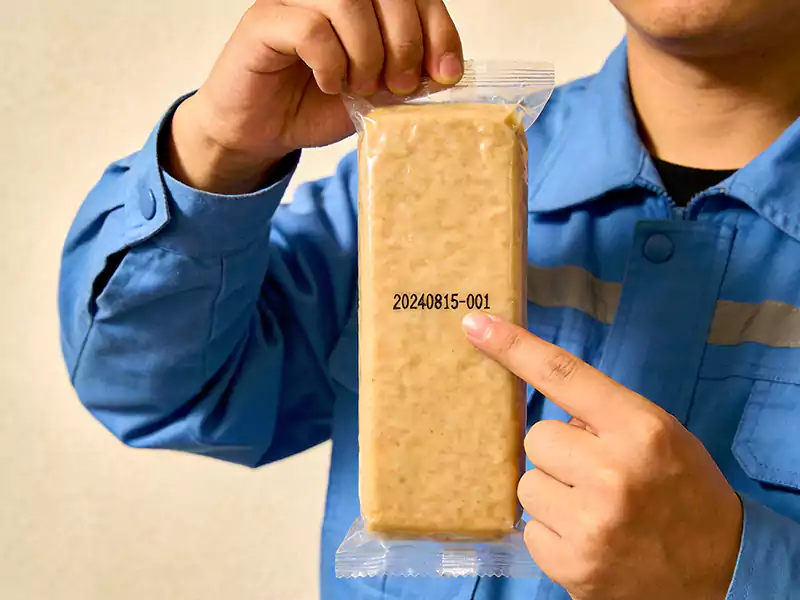
Product Expiration Date Codes
This is the most visible code for consumers. Often displayed as “Use By” or “Best Before,” these dates guarantee that the food is consumed within its window of safety and peak quality.
Date Codes on Food
Beyond expiration, this category includes the manufacturing date (MFG). Accurate date coding is vital for warehouse inventory management and ensuring proper First-In-First-Out (FIFO) rotation.
Manufacturing Code on Products
These are internal lot codes or shift identifiers. In the event of a product recall or quality control issue, these codes allow manufacturers to isolate specific batches immediately, saving time and protecting brand reputation.
Food Code Numbers
This broader category can include specific plant identifiers, production line numbers, or even scannable QR codes and barcodes used for supply chain tracking and anti-counterfeiting.
2. The Bottleneck: Why Printing on Flat Packaging is Challenging
Understanding the codes is only half the battle. The real challenge on the factory floor is: How do you print these codes rapidly, clearly, and accurately onto various packaging materials?
Flat items such as paper cartons, plastic pouches, foil bags, and ziplock pouches, a printer like a jet or Thermal Inkjet printer, manual feeding or outdated, poor-quality mechanical feeders can lead.
- Misalignment: Inconsistent feeding speeds cause skewed prints, making the dates illegible and damaging the product’s professional appearance.
- Skipped Products & Double Feeds: If bags stick together, the printer might skip a product entirely or print the code twice on overlapping packages.
- Wasted Printer Capacity: Modern industrial printers can operate at incredibly high speeds, but if your feeding system is slow, your entire packaging line is restricted by the speed of the feeder.
3. Automated Flat Feeding & Coding Systems
To achieve flawless food packaging coding, pairing your high-speed printers with professional automated feeding systems is the industry standard. As a dedicated manufacturer of automated flat feeding systems, we provide two core solutions to eliminate printing bottlenecks:
Friction Feeders
Friction feeders are the workhorse for handling flat packaging like cardboard sleeves, paper cards, and thicker pouches.
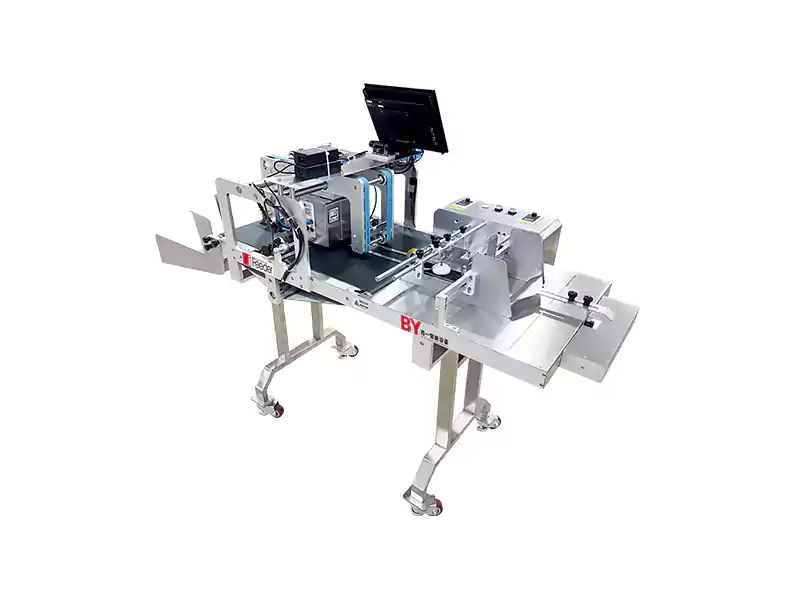
High-Speed Separation: They use advanced friction belts to separate stacked items at high speeds, delivering them onto the conveyor belt one by one.
Pinpoint Accuracy: By maintaining a consistent gap and stable speed for every single item, friction feeders guarantee that product expiration date codes are printed in the exact same location every time.
Vacuum Feeders
Damage-Free Feeding: Utilizing powerful bottom-vacuum technology, these feeders grip the packaging firmly but gently, preventing surface scratches on high-end packaging.
Stable Transport: Even lightweight and slippery pouches stay perfectly flat and secure during transport, ensuring that the manufacturing code on products is applied without warping or shifting.
Automate Your Packaging Coding Today
Applying accurate date codes on food is a non-negotiable responsibility, but doing so efficiently is what sets profitable manufacturing lines apart from the rest. By upgrading your line with an industrial-grade Friction Feeder or Vacuum Feeder, you remove the feeding bottleneck and unlock the true speed of your coding equipment.
Ready to upgrade your production line with high-speed automated feeding? Contact our engineering team today to request a quote and find the perfect feeder for your specific packaging materials.