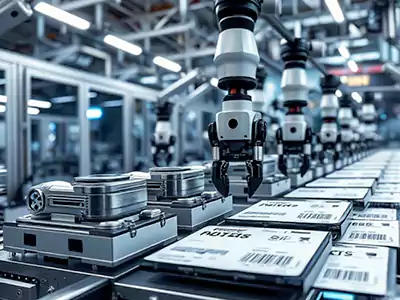
In today’s fast-paced manufacturing landscape, traceability, compliance, and consumer safety are non-negotiable. Whether you are producing consumer goods, medical supplies, or industrial components, ensuring that every product can be tracked from the factory floor to the end user is critical. This is exactly where a robust coding and marking system comes into play.
But what exactly are these systems, how do they work, and why are they so essential to modern production and code packing operations? Furthermore, how does the physical handling of packaging materials—such as automated carton feeding—impact the quality of the final print? In this comprehensive guide, we will explore the technology behind industrial printing, key applications across various sectors, and how to optimize your production line for flawless execution.
Understanding Coding and Marking
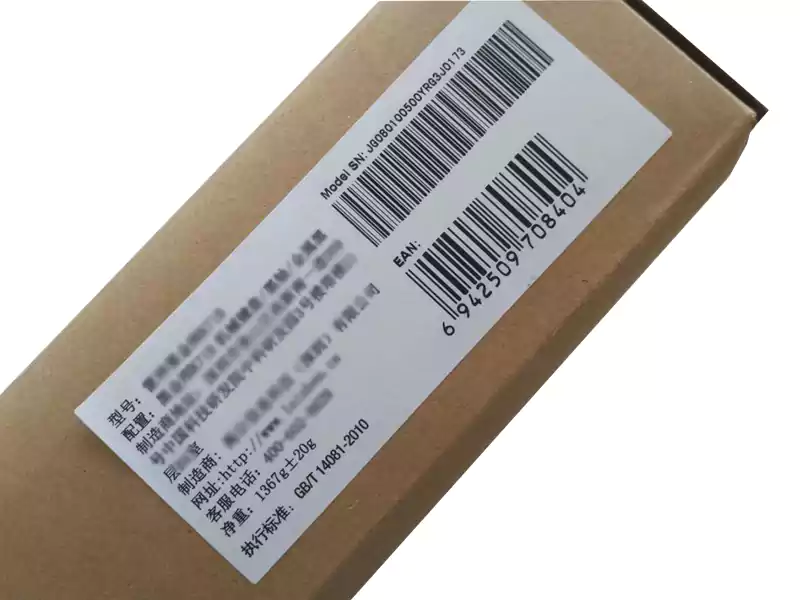
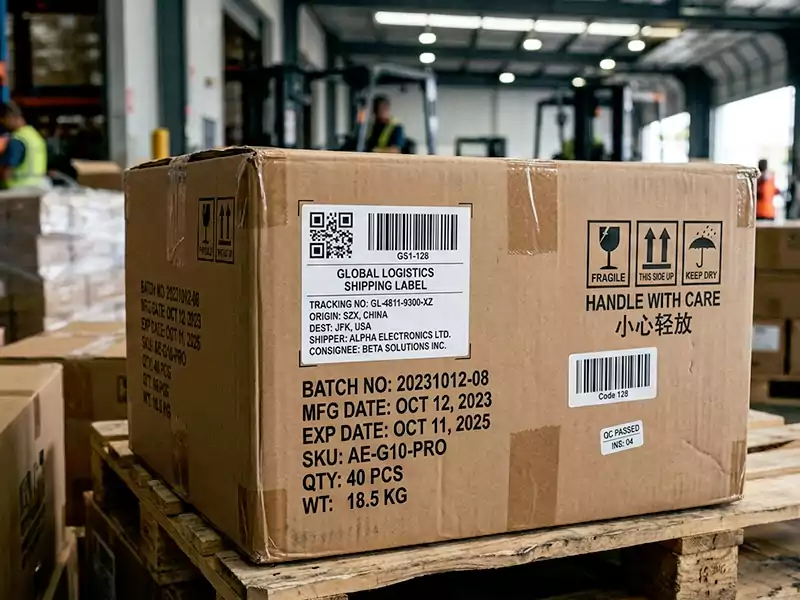
At its core, coding and marking refers to the process of applying variable data to products or their packaging. Unlike static branding or colorful label graphics that are printed in bulk beforehand, variable data changes constantly. This includes critical information such as:
- Expiration dates and Best-Before dates
- Batch and lot numbers
- Manufacturing dates and timestamps
- 1D and 2D Barcodes (like QR codes and DataMatrix)
- Serial numbers for track-and-trace purposes
A reliable coding and marking system ensures that this variable data is applied accurately, legibly, and permanently on a wide variety of substrates, including cardboard, plastic films, glass, metal, and flexible pouches.
Key Technologies in Coding Marking
There is no “one-size-fits-all” solution in industrial printing. Different packaging materials and production line speeds require different types of technology. Here are the most common industrial batch coding solutions used today:
1. Continuous Inkjet (CIJ)
Continuous Inkjet is one of the most versatile technologies available. It works by expelling a continuous stream of ink droplets, deflecting them electronically to form characters on the product. CIJ is ideal for high-speed lines and curved or uneven surfaces (like bottles and cans) because the printhead does not need to physically touch the product.
2. Thermal Inkjet (TIJ)
TIJ systems use tiny resistors to heat ink, creating a bubble that forces a droplet out of the nozzle. This technology offers incredibly high-resolution prints, making it perfect for complex 2D barcodes and detailed text. TIJ is widely used for printing on flat surfaces like folded cartons, labels, and flexible packaging films.
3. Thermal Transfer Overprinting (TTO)
TTO uses a heated printhead to melt a ribbon directly onto flexible packaging materials. It is the gold standard for printing on plastic films, snack bags, and labels, providing crisp, highly durable prints that resist smudging.
4. Laser Marking
Instead of using ink, laser marking physically alters the surface of the material—either by engraving, burning, or causing a color change. It is extremely fast, permanent, and requires no consumables (like ink or solvents), making it highly cost-effective in the long run.
Crucial Industry Applications
The demand for high-quality coding marking spans almost every manufacturing sector, but it is particularly rigorous in industries governed by strict safety regulations.
Coding on Food Packaging
In the food and beverage sector, coding on food packaging is a matter of public health. Consumers rely on clearly printed expiration dates to ensure the freshness of their food. Additionally, in the event of a product recall, clear lot and batch codes allow manufacturers to isolate affected products quickly, minimizing both financial loss and reputational damage. From frozen food bags requiring TTO printing to rigid cardboard boxes utilizing TIJ, the food industry demands speed and reliability.
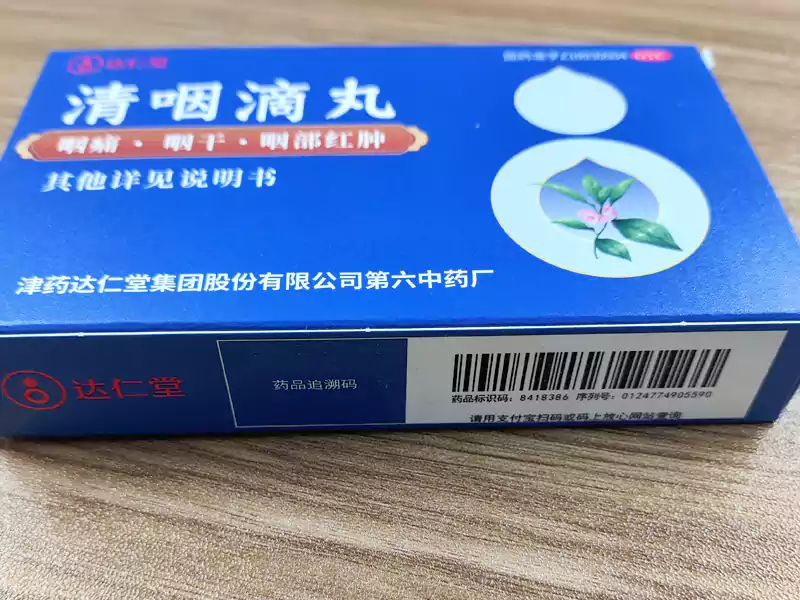
Pharmaceutical Packaging Coding
Perhaps no industry faces stricter regulatory requirements than pharmaceuticals. Pharmaceutical packaging coding is driven by global mandates for serialization and anti-counterfeiting. Every single pill bottle, blister pack, and medical device carton must carry unique, scannable DataMatrix codes. This ensures end-to-end traceability, verifying that the medication is authentic and safe for patient use. The precision required here means that the physical feeding of the cartons under the printer must be absolutely flawless.
The Secret to Perfect Coding: Automated Feeding Systems
It is a common misconception that investing in a top-tier coding and marking system guarantees perfect results. In reality, a printer is only as good as the material presentation. If a carton, plastic pouch, or paper card is fed into the printer at an inconsistent speed or if it is skewed, the resulting code will be distorted, unreadable, and non-compliant.
This is where integrating high-performance feeding automation becomes the critical differentiator for your production line.
To achieve high-speed, flawless printing on flat items before they are erected or filled, manufacturers rely heavily on automated feeding machines.
How Friction Feeders Optimize Code Packing
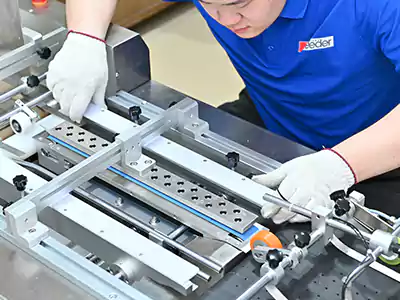
A friction feeder is designed to separate flat products (like unerected cartons, blister cards, ziplock bags, and leaflets) from a stack and feed them one by one onto a conveyor belt at exceptionally high speeds.
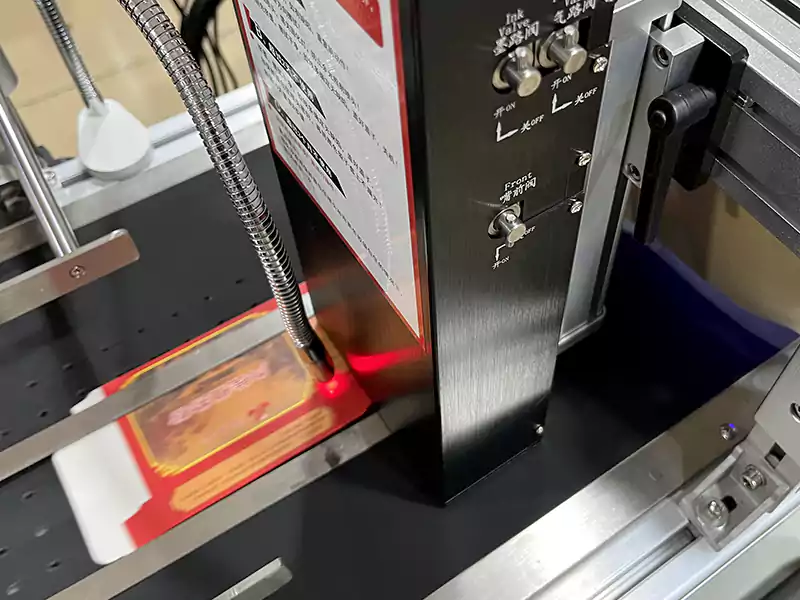
When integrated with a Thermal Inkjet (TIJ) or Laser marking machine, a friction feeder ensures:
- Perfect Pitch and Spacing: Items are fed with exact gaps between them, allowing the printer’s sensor to trigger at the precise millisecond needed for perfect placement.
- Absolute Flatness: By holding the carton or pouch flat against the conveyor using vacuum belts or top-pressure rollers, the feeder ensures the printhead maintains a consistent throw distance, resulting in ultra-crisp barcodes and text.
- High Throughput: Modern friction feeders can match the maximum speeds of advanced coding systems, preventing the printing process from becoming a bottleneck in your code packing operations.
Suction Up Feeders and Rewinders
For delicate or heavily static materials where friction might cause scratches, a suction up feeder (which uses vacuum cups to lift and place the product) provides gentle, precise handling for the coding machine. Additionally, for manufacturers printing on continuous webs of material (like labels or flexible films), integrating a rewinder machine ensures the material is kept at the perfect tension while passing under the printhead, before being neatly rolled back up for the next stage of packaging.
A reliable coding and marking system is the backbone of product safety, regulatory compliance, and brand protection. Whether you are dealing with complex pharmaceutical packaging coding or high-volume coding on food packaging, selecting the right printing technology (CIJ, TIJ, Laser, or TTO) is only half the battle.
To truly maximize efficiency, reduce waste, and ensure every single barcode is scannable, the physical handling of your packaging must be precise. By pairing your coding machines with industry-leading automated feeding solutions—such as high-speed friction feeders—you create a seamless, highly profitable packaging line ready to meet the demands of modern manufacturing.